California Redwoods
Sequoia Sempervirens - the Coastal Redwoods
We took a ramble to California recently and the first place we visited was the coastal redwoods in northern California. We spent two days walking through these beautiful trees.
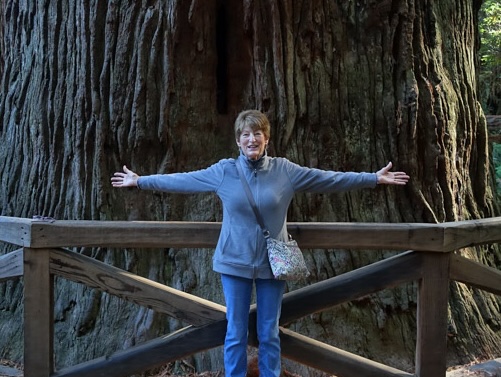
A quick word about the redwoods. There are two different redwood species. Sequoia Giganteum lives on the western slope of the Sierra Nevada mountain range in California; Sequoia Sempervirens (“ever living”) live in northern California near the coast. The Sequoia Giganteum are the largest trees in the world, measured by volume. They grow to 300 feet and can have diameters at chest height of 25 feet. The coast redwoods - Seqouia Sempervirens - are not as big in volume, but are taller, often reaching 350 feet. The tallest tree in the world is a Sempervirens, at 380 feet.
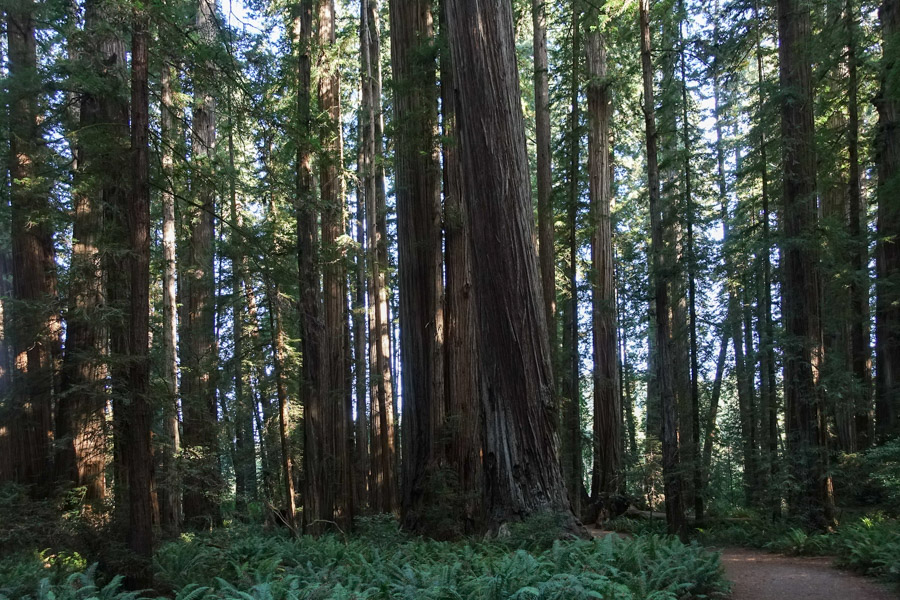
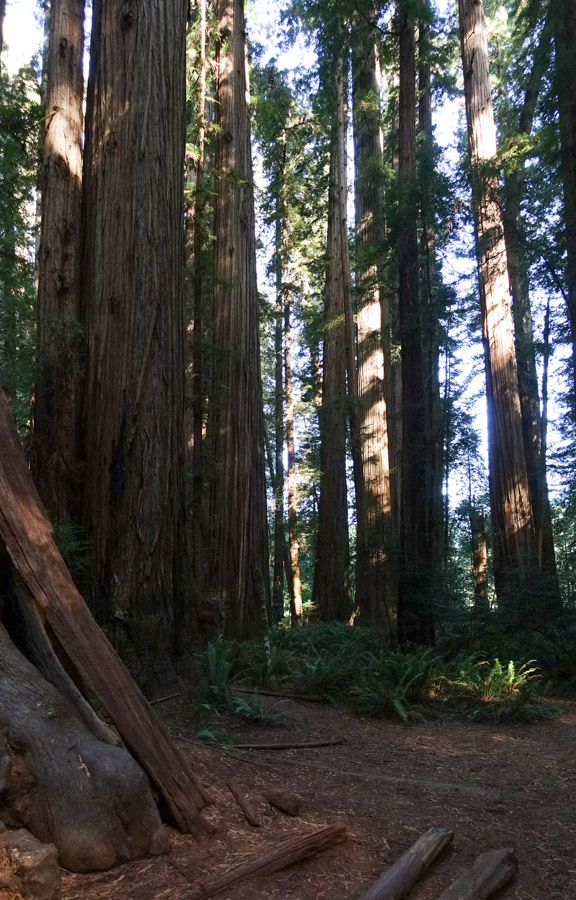
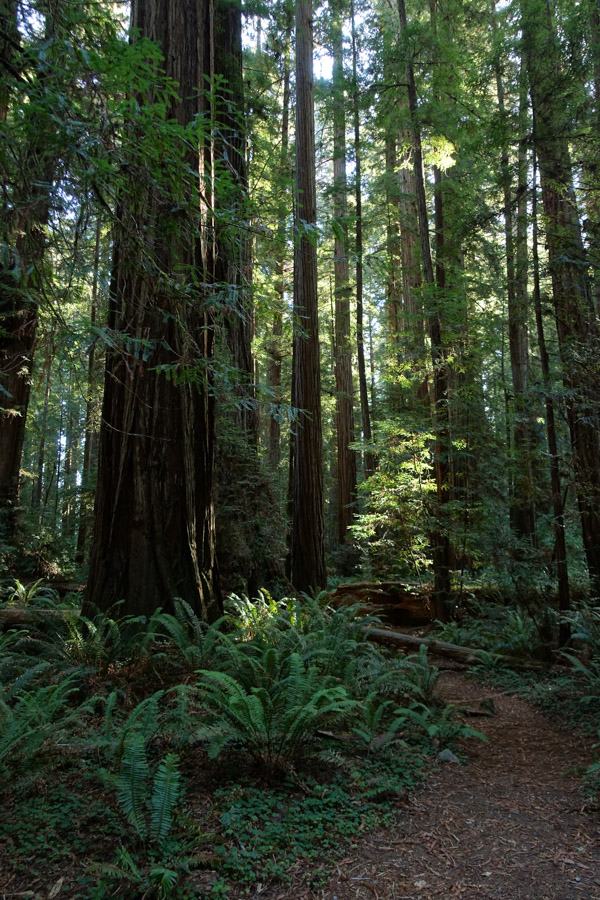
What we know about the coast redwoods is that they are awe-inspiring. Standing in a grove of them, their trunks pushing up through the forest canopy so that it’s hard to see their tops, feels the same as standing in a Gothic cathedral in France. Honestly, I can’t find the words to describe how beautiful the redwood groves are and how deeply they touch Laurie and me. I think we will always make a stop in the redwoods on any trip south.
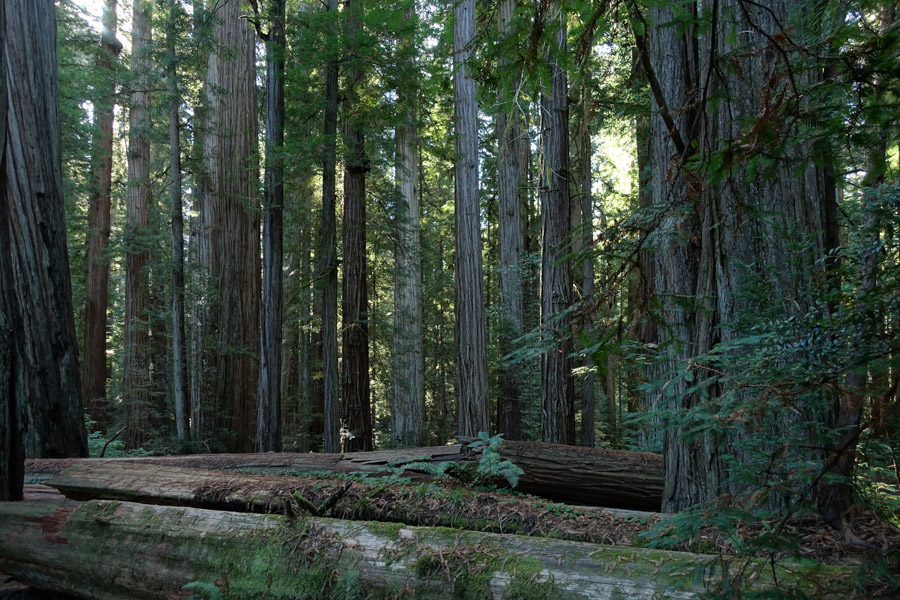
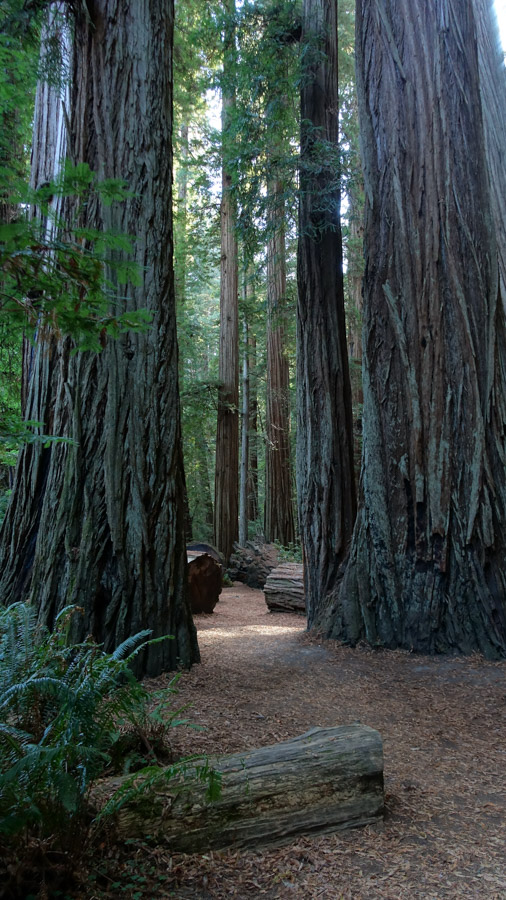
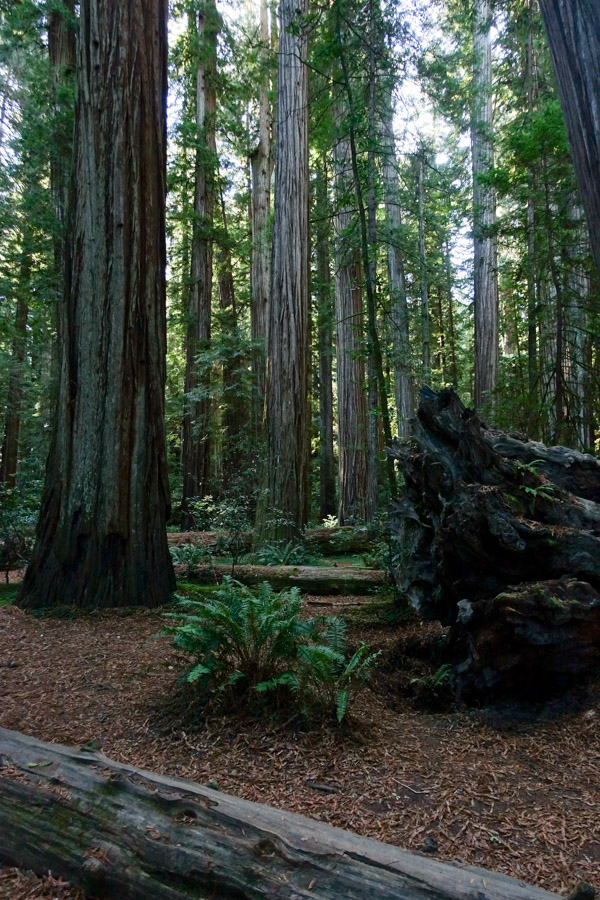
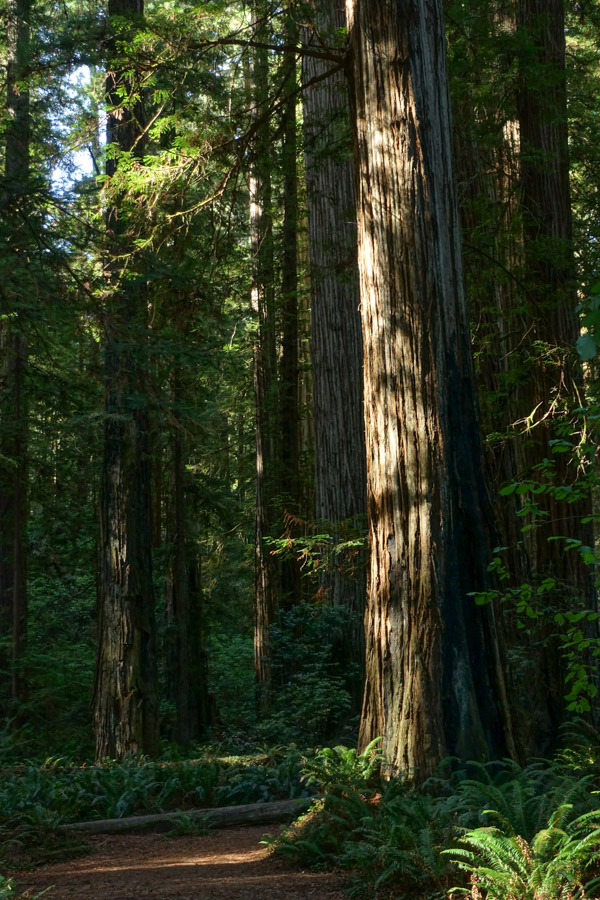
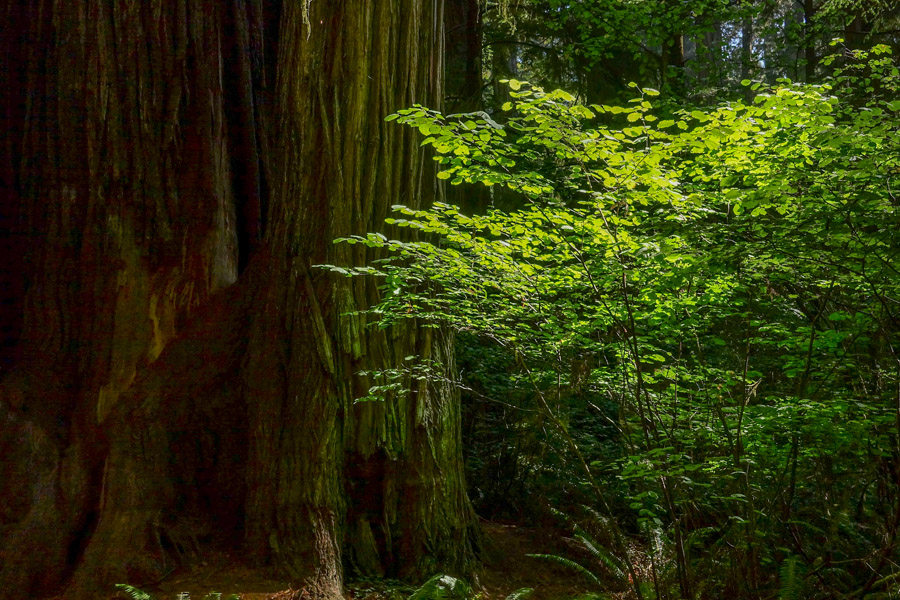
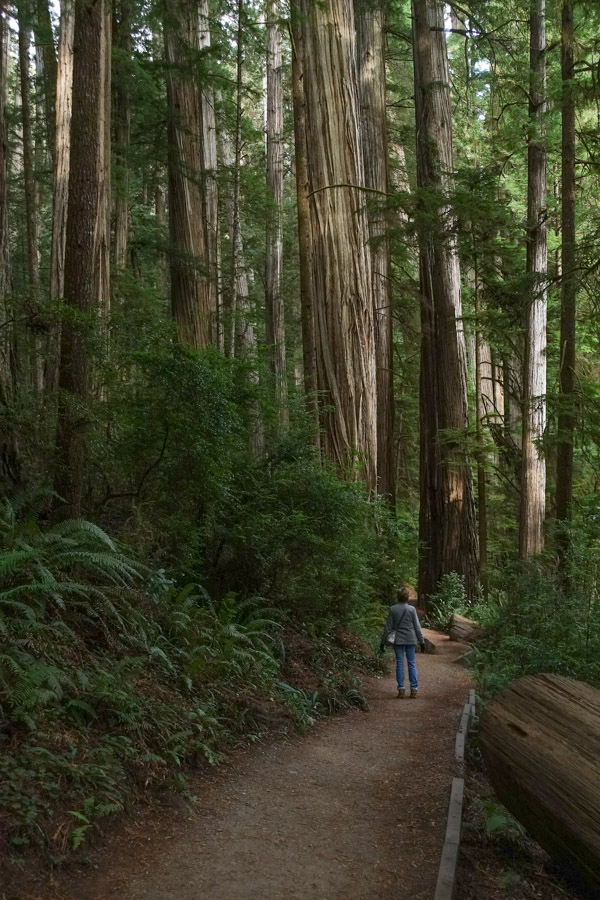
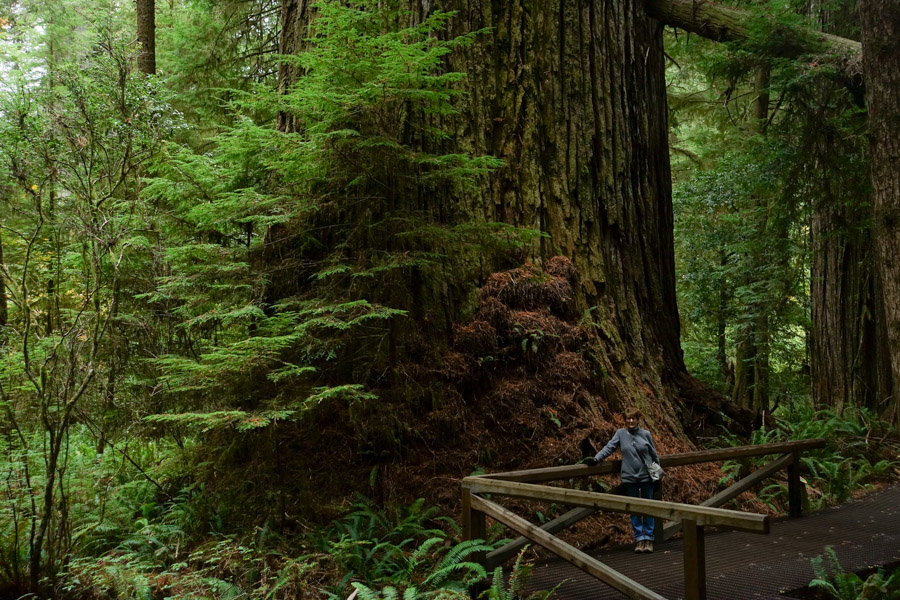
Since I can’t describe these beautiful trees, I’ll show some pictures. No camera in the world is going to do well at photographing something 350 feet tall, but I hope these pictures give you an idea of the beauty and peacefulness and serenity and pure awe that we feel when among them.
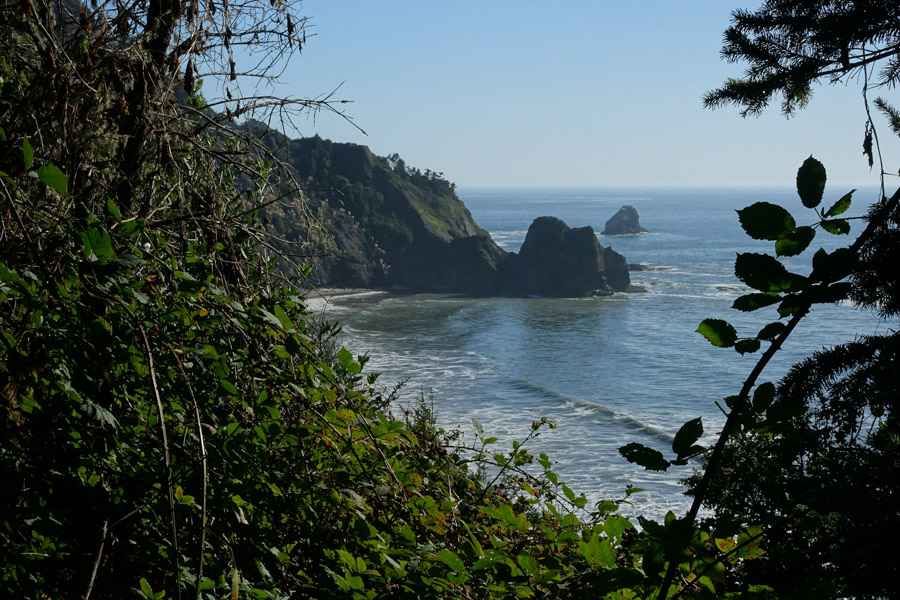
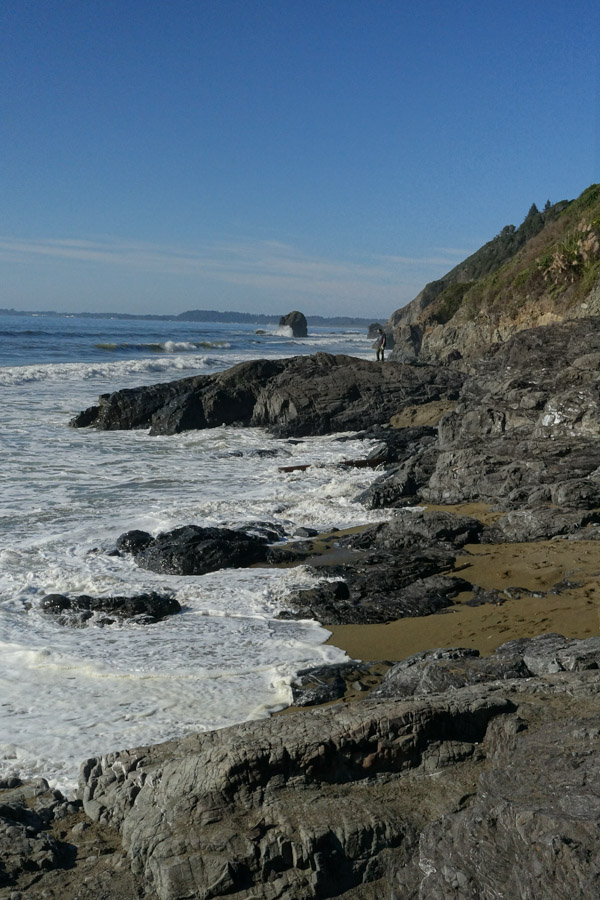
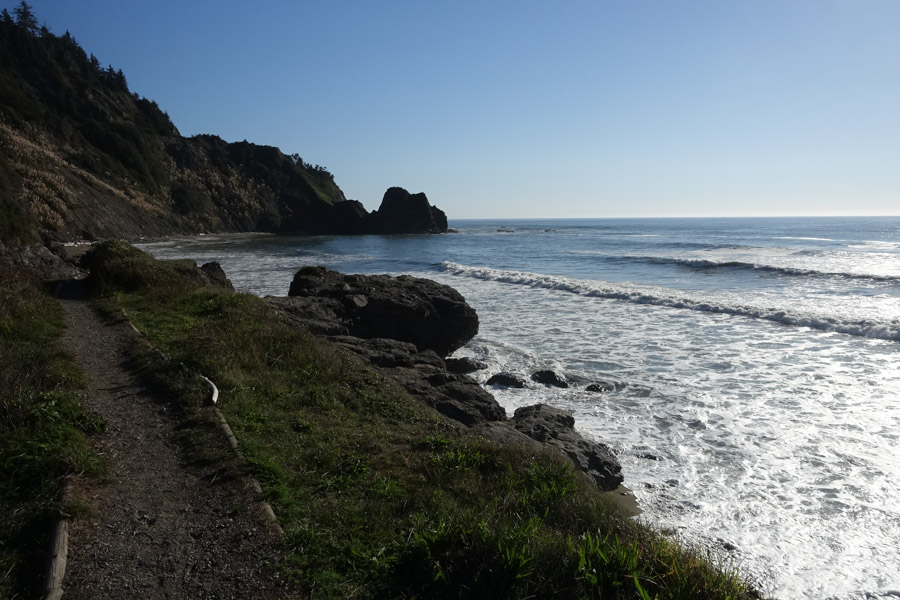
The coast near Crescent City
A sad note about the coastal redwoods: About 110,000 acres (44,000 hectares) of old-growth redwood forest exist in California and a small area of southern Oregon. That represents about 5% of old-growth redwood forests in 1900. The rest has been logged; given that a full-growth redwood can take 600-800 years to reach full height, the logged areas will not likely ever be redwood forests again. Fortunately, all of the old-growth redwood forest and about 380,000 acres of the second-growth forests are protected so there will always be some old-growth redwood forests; the parks we visited contain old-growth forests.